
Understanding your rights, reality on the ground, and how to stay informed and safe
Immigration and Customs Enforcement (ICE) operations in Minnesota have recently become a central concern for residents, especially as federal enforcement activity in communities across the state has increased. With heightened public attention, it’s critical to separate verified facts from rumors and understand what your rights are if you encounter ICE or other federal officers. This post provides clear, practical information Minnesotans need to know — especially in light of recent developments.
Why ICE Activity Is in the News in Minnesota
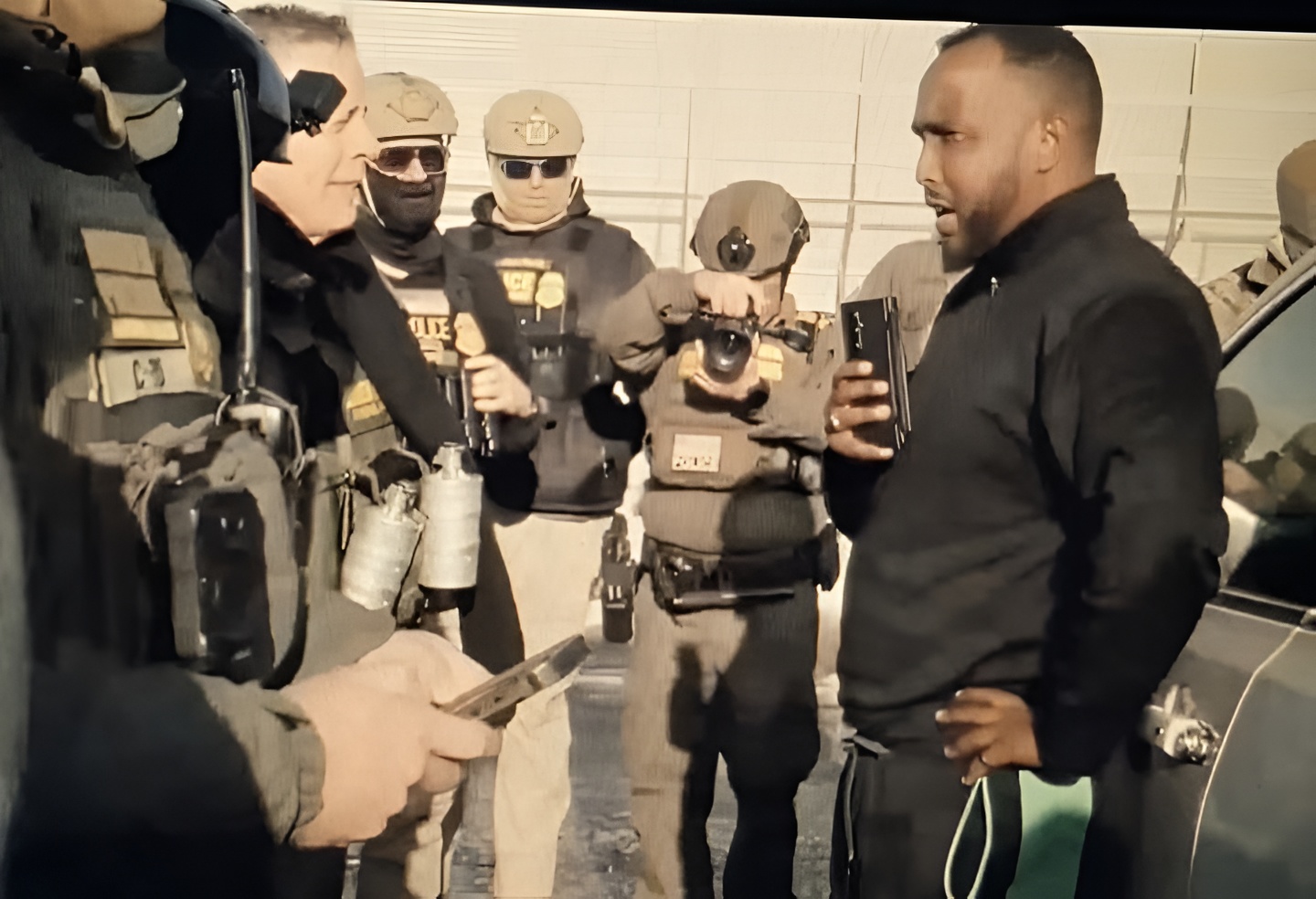
In late 2025 and early 2026, Minnesota saw a significant surge of federal immigration enforcement agents deployed across the Twin Cities and surrounding communities. Officials later characterized this operation as one of the largest interior enforcement actions ever in the state.
This increase has coincided with intense public reaction, including protests, community closures of local businesses in solidarity, and heated political debate over the scope and impact of federal immigration enforcement.
Most national news reporting and official statements have focused on operational scale, local government responses, and incidents that have heightened tensions — including confrontations between federal agents and civilians noted in major national outlets.
What Federal ICE Officers Can and Cannot Do
⚖️ Federal vs. Local Law Enforcement
ICE is a federal agency — it enforces federal immigration laws. Minnesota state or local police are separate and generally do not enforce immigration law unless specific cooperation agreements exist.
This distinction matters because:
Local officers typically cannot detain or arrest someone solely for immigration reasons.
ICE must follow federal processes that are different from state police procedures.
Understanding this difference can help reduce confusion and fear during interactions.
Your Rights During ICE Encounters in Minnesota
Regardless of immigration status, everyone in the United States has constitutional protections. According to local legal organizations:
🏡 If ICE Comes to Your Home
ICE generally must have a valid judicial warrant signed by a judge to enter a private residence without permission.
An administrative warrant (an ICE-issued document) does not automatically allow entry without permission.
You can ask to see the warrant before opening your door.
If no valid judicial warrant is presented, you can keep the door closed.
👣 If Stopped in Public
You have the right to remain silent.
You are not required to answer questions about where you were born or about your immigration status.
You can ask if you are free to leave; if yes, you can walk away.
📞 Right to Legal Counsel
You have the right to consult a lawyer if you are detained or arrested.
Do not sign any documents without understanding them or without consulting an attorney first.
Sensitive Locations and Recent Policy Changes
In the past, federal policies discouraged enforcement in “sensitive locations” such as schools, places of worship, hospitals, and shelters to avoid discouraging essential civic participation and public safety. However:
Some of those guidelines were rescinded in early 2025, meaning enforcement could legally occur in more places than before.
The Minnesota Attorney General’s Office provides guidance to organizations on how to respond if federal agents show up.
Even in these locations, constitutional protections — such as the need for a valid warrant — still apply.
